
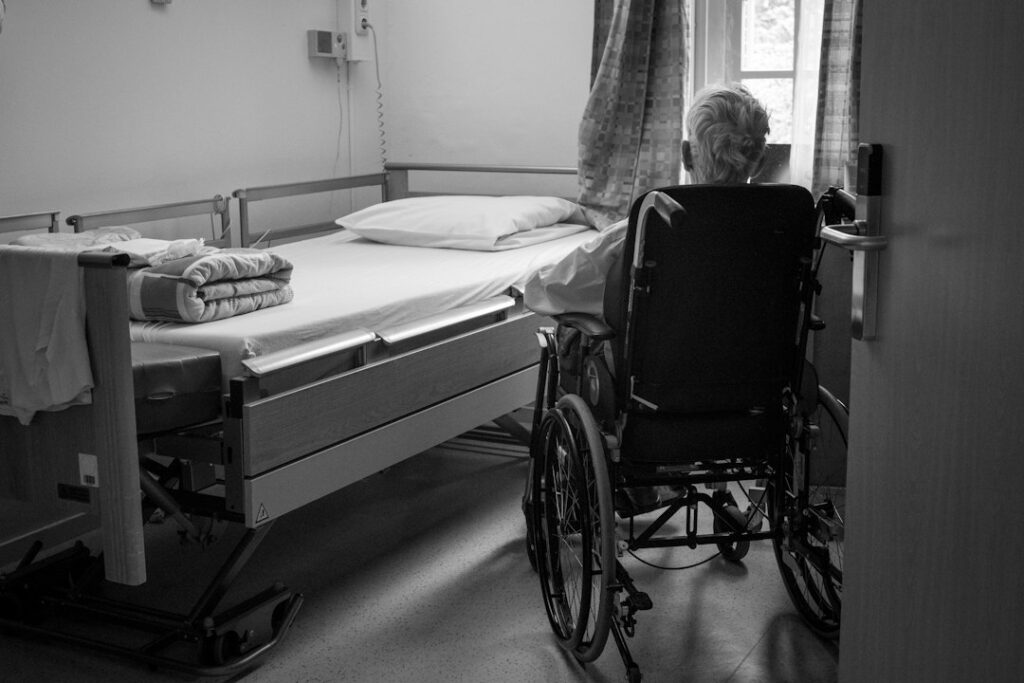
Loneliness in assisted living is common, but it is not an unavoidable part of aging or community living. A person may be surrounded by others and still feel disconnected, especially after a move, a change in health, the loss of a spouse, or reduced contact with familiar friends.
For residents in Taylor, PA, seasonal weather can also affect social routines. Cold, icy, or rainy conditions may make outdoor visits and community activities less convenient for stretches of time. Having several dependable ways to connect can help prevent isolation from becoming a daily pattern.
What does loneliness look like in assisted living?
Loneliness is the distressing feeling that a person lacks meaningful connection. It is different from simply spending time alone. Some residents enjoy privacy and quiet, while others may want more conversation, companionship, or emotional support.
Possible signs include:
- Spending most of the day in a room
- Skipping meals or group activities
- Frequently saying that nobody visits or understands
- Losing interest in hobbies that once mattered
- Showing irritability, sadness, anxiety, or unusual tearfulness
- Sleeping much more or less than usual
- Eating less or having unexplained changes in weight
- Becoming less willing to speak with family or staff
A change in behavior does not always mean loneliness. Pain, medication effects, hearing loss, depression, dementia, poor sleep, and other health concerns can look similar. A persistent or sudden change should be shared with the resident’s medical team and appropriate assisted living staff.
Why can a person feel lonely after moving into assisted living?
Moving into a shared community changes familiar routines, surroundings, responsibilities, and relationships. Even when the move is necessary or beneficial, it can involve grief for a former home, neighborhood, role, or level of independence.
Residents may also experience loneliness because:
- They have not yet learned the daily rhythm of the community.
- Conversations feel difficult because of hearing or vision changes.
- They do not know how to approach established friendship groups.
- Activities do not match their interests, abilities, culture, or energy level.
- Family visits are less frequent than expected.
- A spouse, sibling, friend, or longtime neighbor has died.
- Mobility limitations make it hard to leave the room or reach common areas.
- They feel embarrassed about needing help.
A quiet person is not necessarily content, and a socially active person is not necessarily emotionally connected. The most useful question is not simply, “Did the resident attend an activity?” but, “Did the resident feel understood and included?”
What practical steps can reduce loneliness?
The most effective approach is usually gradual and personal. A resident does not need to attend every group event or become highly social. One dependable connection can be more helpful than a crowded schedule.
Start with a small, repeatable routine such as:
- Having coffee or tea with the same person several mornings each week
- Eating one meal in a shared dining area
- Calling a family member at a regular time
- Sitting in a common area for 15 to 20 minutes
- Joining a familiar activity, such as music, cards, crafts, discussion, or exercise
- Asking a staff member to help identify another resident with similar interests
- Keeping a family photograph, favorite book, or meaningful object nearby as a conversation starter
Short conversations often become easier when they involve a shared task. Looking through photographs, folding laundry, discussing a sports memory, listening to music, or tending to a small plant may feel less demanding than sitting face-to-face with the expectation of making conversation.
How can families stay connected when visits are limited?
Regular contact is usually more helpful than occasional large efforts. A predictable call every Tuesday and Saturday may feel more reassuring than several missed calls followed by one long conversation.
Family members can make visits more engaging by bringing an activity rather than relying only on conversation. Useful options include:
- Reviewing family photographs
- Bringing a familiar snack, if permitted
- Reading aloud from a newspaper, magazine, or book
- Taking a short walk indoors or outdoors when conditions are safe
- Listening to favorite music
- Sorting cards, photographs, or small household items
- Asking about memories, recipes, work experiences, or childhood traditions

Video calls may help, but they are not ideal for everyone. Hearing, vision, memory, and technology skills can make them frustrating. A regular telephone call, handwritten note, recorded message, or printed photograph may create a stronger connection.
During winter weather, remote contact can be especially useful when travel is difficult. Plans should remain flexible, since a resident may have a good day for conversation one week and need rest the next.
What if the resident refuses activities?
Refusal should be treated as information, not misbehavior. The activity may be too noisy, too tiring, poorly timed, unfamiliar, or unrelated to the resident’s interests. The person may also fear embarrassment, especially if hearing, memory, balance, or speech has changed.
Instead of saying, “You need to get out more,” try specific, low-pressure invitations:
- “Would you like to sit near the music for ten minutes?”
- “Could you help choose a card for a family member?”
- “Would you like company at lunch today?”
- “Would you rather visit in the lounge or by the window?”
Offer choices and accept “no” without arguing. A brief attempt can be repeated another day. Staff may be able to suggest quieter activities, smaller groups, a different time, or a more compatible social setting.
How do hearing and mobility affect social connection?
Unaddressed hearing loss is a frequent cause of withdrawal. A resident who cannot follow conversation may appear uninterested or confused. Hearing aids should be checked for comfort, working batteries, cleanliness, and proper use. Face-to-face conversation in a well-lit, quieter area is often easier than talking across a busy room.
Mobility limitations can create a second barrier. A resident may avoid activities because reaching the room feels difficult, transfers are tiring, or the person worries about falling. Safe transportation within the building, appropriate seating, clear pathways, and enough time to move can make participation more realistic.
Vision changes, speech difficulties, and memory loss may also require adjustments. Social connection works best when communication is adapted rather than judged.
When is loneliness a sign of a larger health concern?
Loneliness deserves medical attention when it lasts, worsens, or affects basic functioning. Prompt discussion with the resident’s healthcare team is appropriate if there is persistent sadness, hopelessness, severe anxiety, confusion, major sleep or appetite changes, loss of interest in nearly everything, or statements suggesting that life is not worth living.
Any mention of self-harm or wanting to die requires immediate attention. Stay with the person if possible and seek emergency help through 911 or the 988 Suicide and Crisis Lifeline. Do not assume such comments are merely an expression of frustration.
A health evaluation can identify treatable contributors such as depression, medication side effects, uncontrolled pain, infection, sleep problems, or sensory loss.
How can assisted living staff support meaningful relationships?
Staff support is most useful when it goes beyond directing residents toward a calendar of activities. Helpful practices include learning a resident’s history, interests, preferred communication style, and comfort level; introducing residents with compatible interests; noticing who regularly eats alone; and creating smaller opportunities for conversation.
Residents and families can share specific information: favorite subjects, former hobbies, religious or cultural practices, music preferences, routines, and situations that cause discomfort. This helps staff make more suitable introductions and avoid assuming that every resident enjoys the same type of social event.
The goal is not constant activity. It is a sense of belonging, recognition, and dependable human contact. For many residents, loneliness improves through a few familiar faces, a predictable routine, and opportunities to contribute rather than simply being invited to watch.
