

What is Daily Living Really Like for Residents in Assisted Living?
Most people considering assisted living in Taylor, PA want to know what daily life is genuinely like. Residents often describe a routine that balances independence with support. Mornings usually start with personalized assistance as needed—some receive help with dressing or medication reminders, while others enjoy early stretches and breakfast in a shared dining space.
Typical days include group activities (like crafts or discussion circles), time outdoors when the weather allows, and opportunities for quiet relaxation. Local residents mention that seasonal changes in Northeastern Pennsylvania influence both indoor and outdoor routines—snowy winters often shift activities indoors, while spring and summer encourage more walks or gardening in secured courtyards.
How Do Residents Stay Social and Active?
There are many opportunities for connection and participation, but involvement is always by choice. Residents tell stories about making new friends during bingo games, joining puzzle groups, or attending holiday socials. For those who prefer a quieter pace, libraries, lounges, and hobby rooms offer ways to stay engaged without large crowds.
Family visits are a valued part of life. Area households often coordinate around visiting hours, and many residents look forward to sharing meals or weekend activities with relatives. Events are adapted for the climate—winter might mean hot cocoa socials, while summer brings picnics or shaded porch gatherings.
What Type of Assistance and Privacy Do Residents Experience?
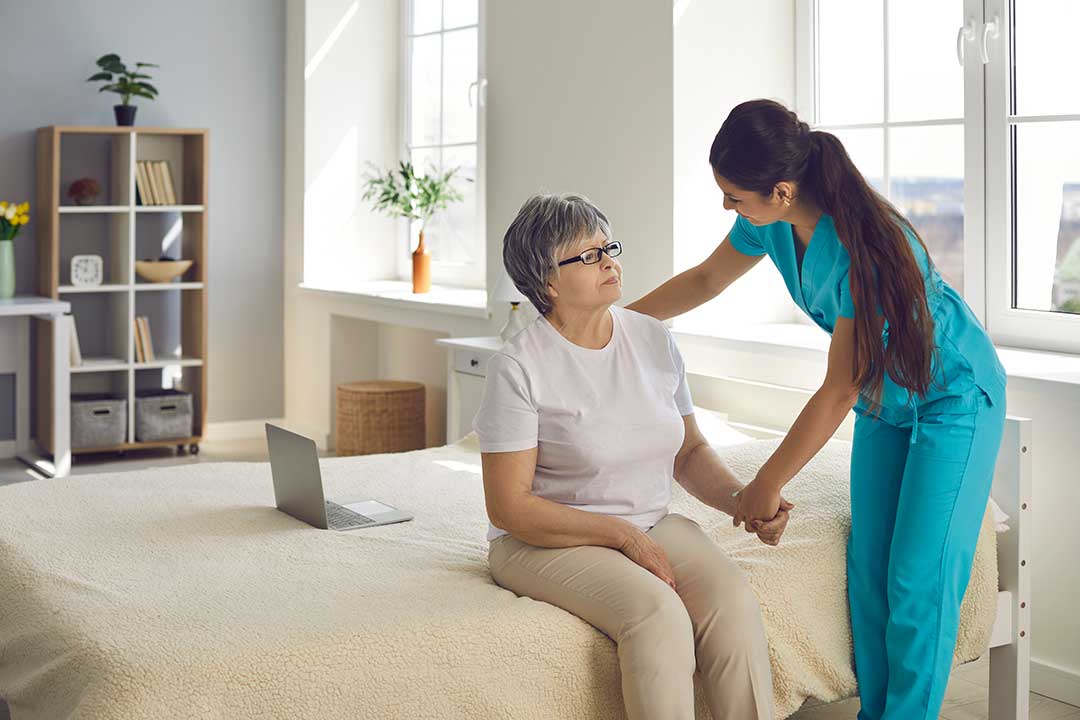
Assisted living is designed to provide reliable help without intruding on personal independence. Most residents in Taylor report confidence that staff help with essential daily activities but always knock or announce themselves before entering private rooms. Privacy is respected, whether choosing alone time, a personal phone call, or simply unwinding in their own space.
Need for support varies. Practical examples include:
- Scheduled help with bathing or dressing on certain days
- Reminders for medications
- Occasional mobility assistance for trips to dining areas or activity rooms
Residents say care staff are generally friendly and responsive, working to adapt to each person’s preferences and schedule as much as possible.
Are Mealtimes Flexible or Structured?
Mealtimes usually follow a set schedule for breakfast, lunch, and dinner, but there is some flexibility. Menus rotate regularly and typically feature familiar, home-style options—stews in winter, lighter fare in summer—but most locations also accommodate special diets and food preferences.
Some residents enjoy eating in a community room to socialize, while others prefer the comfort of their own apartments. Snacks and light refreshments are generally available outside of main meal hours, which residents find helpful, especially between activities.
How are Medical and Wellness Needs Managed?
Routine monitoring is standard, and most places coordinate local healthcare visits as needed. Residents often have access to blood pressure checks, basic wellness screenings, and help with managing appointments. For those with increasing medical needs, team members often work with local physicians or specialists to adjust care plans.
Residents from the area point to the benefit of staff familiarity with both common and rare health conditions, from diabetes to mobility challenges common among seniors in the region. Wellness checks also take local factors, like seasonal allergies or risks related to winter ice, into account when supporting daily routines.
What Surprises New Residents Most About Assisted Living?
Many new arrivals are surprised by the mix of independence and support—they often expect less freedom or assume every hour is scheduled. In reality, residents report that routines are flexible, and privacy is preserved more than anticipated.
Other common misconceptions:
- Belief that all activities are mandatory (they are not)
- Worry that staff are overbearing (most residents describe respectful, supportive relationships)
- Expectation of institutional, hospital-like surroundings (most area accommodations prioritize a home-like feel and personalized living spaces)
Local residents also mention positive surprises—like the variety of ways to contribute to the community, whether helping in a small garden or sharing stories with school groups.
How Do Residents Personalize Their Experience?
Residents frequently personalize their spaces with photographs, favorite bedding, books, or crafts from family. They may bring small pets (if permitted) or plants to brighten their apartments. Hobby groups and local activity calendars make it possible to keep enjoying things like painting, card games, or music.
Staff and fellow residents encourage sharing personal skills—someone who enjoyed baking might help with a cooking demonstration, or a retired teacher may lead a reading group. These custom touches help life feel less institutional and more like a supportive neighborhood.
What Do Residents Value Most in Their Daily Life?
Residents mention a few recurring themes when describing what matters:
- The ability to set their own schedule for waking, sleeping, and choosing activities
- Reliable assistance when genuinely needed, but not constant oversight
- Relationships—with neighbors, staff, and visiting family
- Familiar routines, especially during seasonal transitions
- Feeling both safe and at home
Each person’s priorities differ, but most agree that adapting to assisted living is easier when encouragement and personal choice remain central to daily routines in the community.
